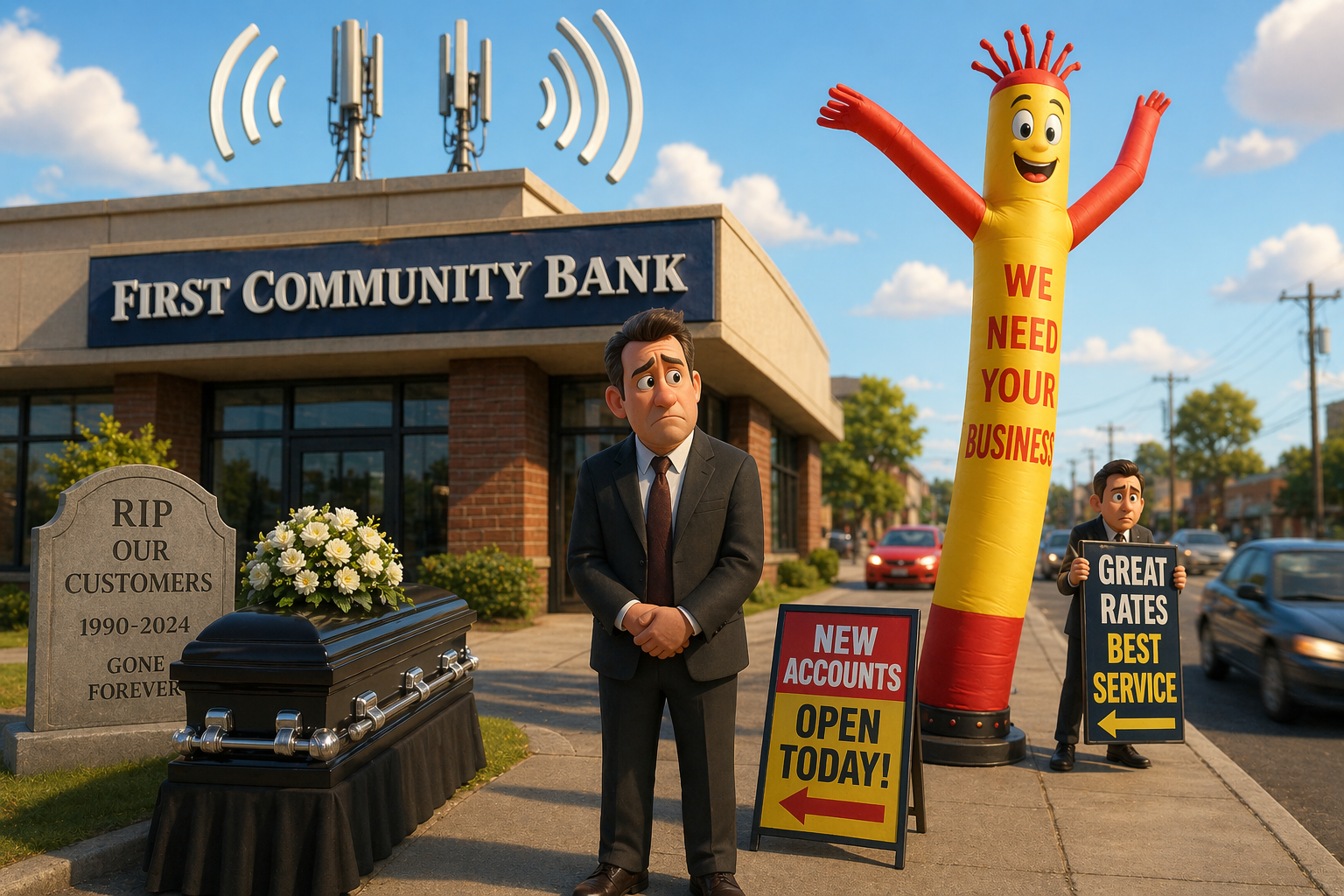
Why Most Banks Are Losing the Attention War (And How AI Changes It)
Banks haven’t lost trust.
They’ve lost attention.
And in today’s environment, attention is what creates trust.
Organizations like PNC Bank, Wells Fargo, and Bank of America have scale, infrastructure, and legacy relationships.
But they’re competing in a world where fintechs move faster, speak clearer, and show up at the exact moment of need.
The Real Problem
Most financial marketing is still built around:
- Campaign calendars
- Generalized targeting
- Brand awareness without behavioral context
Meanwhile, customers are making decisions in highly specific moments:
- Looking at homes
- Researching loans
- Comparing credit options
What AI + Location Data Unlocks
This is where modern financial marketing is shifting.
- Target users based on real-world behaviors (not just profiles)
- Trigger messaging based on life-stage signals
- Build follow-up journeys that adapt in real time
AI Tools Forward-Thinking Banks Are Using
- :contentReference[oaicite:0]{index=0} – generate personalized messaging across segments
- :contentReference[oaicite:1]{index=1} – unify customer data and predict needs
- :contentReference[oaicite:2]{index=2} – capture audiences based on physical movement
- :contentReference[oaicite:3]{index=3} – automate nurture journeys tied to behavior
What Winning Looks Like
Instead of waiting for customers to come to them, banks can:
- Show up during high-intent life moments
- Retarget across digital ecosystems
- Shorten decision cycles dramatically
The Opportunity
The next generation of financial institutions won’t just be trusted.
They’ll be present.
If you're leading marketing, growth, or digital strategy at PNC Bank, Wells Fargo, or Bank of America, the opportunity isn’t more campaigns.
It’s building an attention system that meets customers exactly where decisions happen.