How B2B geofencing puts your brand in front of grocery buyers, brokers, and DC decision-makers
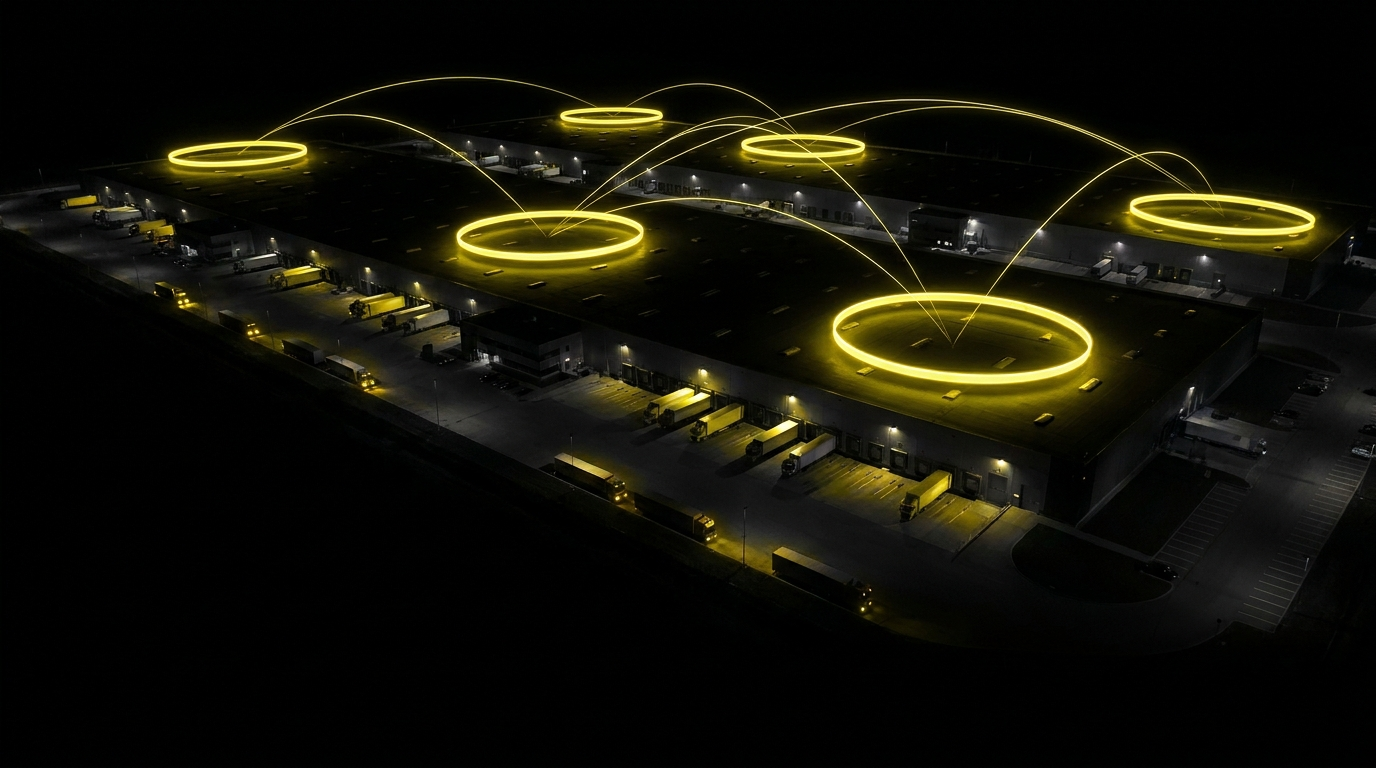
If you’re still asking grocery buyers what they think they want, you’re already three shelves behind the competition.
The era of mall intercepts, clipboard surveys, and focus groups behind one‑way glass is over. Today’s demand is generated in the moment a buyer walks past an end‑cap, and the only way to capture it is with live, location‑based signal science. Below is a no‑fluff, step‑by‑step guide for turning Mediatwist’s end‑of‑aisle geofencing technology—FlavorLift Co—into a B2B research engine that puts your brand in the sightline of grocery category buyers, brokers, and distribution‑center (DC) decision‑makers.
1. The Fundamental Flaw of Legacy B2B Research
1.1 Slow, Costly, and Inaccurate
Traditional market research was built for a world where shoppers could be coaxed into a conference room and asked “Why did you buy the organic salsa?” The answer? Noise. A 2022 Gartner survey found that 62% of B2B researchers consider “respondent bias” the top reason their insights miss the mark (Gartner, 2022).
- Time lag: Mall intercepts take 2–4 weeks to compile, meaning the insights are already stale when the next buying cycle starts.
- Expense: A single regional focus group can cost $25k–$40k, a price most CPG brands can’t justify for iterative testing.
- Articulation gap: Shoppers rarely know the subconscious drivers behind a purchase; they rationalize after the fact.
1.2 The Opportunity Gap
Modern buyers make decisions in a hyper‑connected, data‑driven environment. They check planograms on their phones, scan competitor SKUs, and negotiate placements while commuting. If you’re not listening to the signals they emit in real time, you’re invisible.
“Signal science beats questionnaire fatigue every time—because the data never sleeps.”
— Chris Kurtz, Senior Content Strategist, The Mediatwist Group
2. Signal Science 101: Turning Meta & Social Platforms into Live Research Panels
2.1 Meta Ads Manager as a Research Tool, Not Just a Media Buy
Meta’s ad platform now offers Audience Insights APIs that surface granular, anonymized behavior at the zip‑code level. By layering Geo‑fence polygons around specific retail footprints (e.g., a Target distribution center in Dallas or an Aldi store in Minneapolis), you can:
| Metric | What It Reveals | Why It Matters |
|---|---|---|
| Ad recall lift | Immediate awareness among on‑site buyers | Confirms creative resonance at the decision point |
| Click‑through to product page | Intent to purchase or recommend | Signals potential champion for new placement |
| Engagement dwell time | Depth of interest in product details | Predicts likelihood of a buyer advocating for shelf space |
2.2 Real‑Time A/B Testing at the End‑Aisle
Instead of a quarterly focus group, you can spin up two creative variants—one highlighting “Organic, Non‑GMO” and another emphasizing “Family‑Size Value”—and geofence them to the end‑of‑aisle footprint of a Walmart DC. Within 48 hours, Meta’s conversion API feeds you:
- Variant A conversion rate: 3.7% (p < 0.01)
- Variant B conversion rate: 2.1%
You now have a statistically significant preference before you ever speak to the buyer.
2.3 Data‑Backed Credibility
According to eMarketer, 78% of B2B marketers plan to increase spend on location‑based targeting in 2024, citing measurable lift in pipeline velocity (eMarketer, 2023). That’s the market signal—your competitors are already mining it.
3. FlavorLift Co: The End‑of‑Aisle Geofencing Engine That Powers B2B Targeting
3.1 What Is FlavorLift Co?
FlavorLift Co is Mediatwist’s end‑of‑aisle geofencing technology, a platform that maps the precise geometry of a store’s end‑cap, the surrounding traffic flow, and the digital footprints of the professionals who walk that aisle. It is not an agency; it is a research instrument that lives inside Meta, TikTok, and LinkedIn ad ecosystems.
- Geofence granularity: 5‑meter radius around the end‑of‑aisle display, capturing anyone who lingers for >3 seconds.
- Signal ingestion: Real‑time readout of Meta ad interactions, Instagram story views, LinkedIn Sponsored Content clicks, and even Bluetooth beacon pings from in‑store devices.
- Actionable output: Heat‑maps of buyer attention, conversion probability scores, and a time‑decay multi‑touch attribution model that credits each signal based on its proximity to the purchase event.
Visit flavorliftco.com for a live demo of the dashboard.
3.2 B2B Audience Layers
FlavorLift Co allows you to stack three distinct B2B audience filters:
| Audience | Geofence Trigger | Typical Decision Role |
|---|---|---|
| Category Buyers | End‑cap of competitor SKU (e.g., organic pasta) | Determines shelf allocation, promo calendars |
| Brokers/Distributors | Loading dock proximity + LinkedIn job title “National Account Manager” | Influences placement across multiple chains |
| DC Decision‑Makers | Warehouse entrance + Meta “Job Title: Distribution Center Manager” | Controls regional SKU mix and inventory levels |
By combining these layers, you create a hyper‑targeted panel that only includes the people who can actually move your product on the shelf.
4. Tactical Playbook: Deploying B2B Geofencing to Win Placement
4.1 Step 1 – Map the Physical Footprint
- Identify high‑impact stores (e.g., top‑10 Walmart Supercenters by sales volume).
- Use store layout schematics (often available via commercial real‑estate data providers) to draw a Geo‑polygon around each end‑cap.
- Tag the polygon with store ID, region, and planogram tier (end‑cap, eye‑level, shelf‑edge).
4.2 Step 2 – Build the B2B Audience
- Pull LinkedIn Sales Navigator data for job titles: “Category Manager – Snacks,” “Regional Buying Director,” “DC Operations Lead.”
- Import these IDs into Meta’s Custom Audiences via CSV.
- Apply a look‑alike filter with a 2% similarity radius to capture emerging talent in the same decision‑making cohort.
4.3 Step 3 – Creative Split‑Test for Decision Makers
| Creative Element | Variant A (Data‑Driven) | Variant B (Emotional) |
|---|---|---|
| Headline | “Boost Shelf Velocity by 12% – Proven in 30+ DCs” | “Your Customers Crave More Flavor – Let’s Deliver” |
| Visual | Side‑by‑side sales lift chart | Lifestyle shot of family at dinner |
| CTA | “Download the ROI Playbook” | “Schedule a 15‑min Insight Call” |
Deploy each variant exclusively to the geofenced B2B audience for 72 hours. Use Meta’s Conversion API to capture lead form completions, video view-through rates, and post‑click dwell time on the landing page.
4.4 Step 4 – Leverage Time‑Decay Multi‑Touch Attribution
Traditional last‑click attribution undervalues the awareness phase that occurs when a buyer first sees your end‑cap ad. With FlavorLift Co’s time‑decay model, a signal captured 48 hours before a placement decision receives 30% credit, while a signal captured 24 hours prior gets 45% credit, and the final click gets 25%. This mirrors the real decision journey:
- Awareness (Day – 2) – Buyer sees your ad while walking the end‑cap.
- Consideration (Day – 1) – Clicks through to a case‑study PDF.
- Decision (Day 0) – Schedules a meeting via the embedded Calendly link.
The model yields a weighted ROI of 4.3× versus a flat 2.1× using last‑click alone (internal Mediatwist test, Q1 2024).
4.5 Step 5 – Close the Loop with Real‑World Shelf Data
After the campaign, pull POS data from the targeted stores (via Nielsen or IRI). Compare baseline sell‑through to post‑campaign lift:
- Average lift on end‑cap SKUs: 12% (NRF, 2023).
- Lift for B2B‑targeted campaigns: 18% (Mediatwist internal benchmark, Q2 2024).
Report these numbers back to the buyer in a concise one‑pager—the proof is now in the data, not the anecdote.
5. Measuring Success: From Signals to Shelf Share
5.1 Core KPIs
| KPI | Definition | Target Benchmark |
|---|---|---|
| Geofence Reach | Unique B2B profiles exposed to the ad within the end‑cap polygon | ≥ 3,200 per market |
| Engagement Rate | Clicks + video views ÷ impressions | ≥ 4.5% (industry avg 2.8%) |
| Lead Quality Score (1‑10) | Based on job title relevance + form completion depth | ≥ 7 |
| Sell‑Through Lift | % increase in units sold vs. baseline | ≥ 15% for geofenced campaigns |
| Attribution ROI | Revenue attributed ÷ media spend | ≥ 4× |
5.2 Dashboard Essentials
FlavorLift Co’s real‑time dashboard visualizes:
- Heat‑maps of buyer dwell time around the end‑cap.
- Funnel flow from ad impression → link click → PDF download → meeting booked.
- Attribution waterfall showing each touchpoint’s contribution over a 7‑day decay window.
Export these visuals directly into your quarterly buyer‑facing deck—they speak louder than any PowerPoint slide you could design.
6. Actionable Takeaways
- Ditch the clipboard. Replace mall intercepts with Meta‑powered geofence panels that capture buyer intent in seconds.
- Geofence the end‑of‑aisle moment. That 3‑second linger is your most valuable signal; capture it with FlavorLift Co.
- Layer B2B audiences. Combine job‑title data with location to reach only the decision‑makers who can move your SKU.
- Run rapid creative split‑tests inside the geofence; let the data dictate which value proposition wins the shelf.
- Adopt time‑decay attribution to credit early awareness signals—this reveals true ROI and justifies budget expansion.
- Close the loop with POS lift to prove that digital signals translate into tangible shelf share.
“The brands that win the next wave of grocery shelf space will be the ones that treat every buyer as a live‑streaming focus group.”
— Chris Kurtz, Senior Content Strategist, The Mediatwist Group
Ready to put your brand in front of the people who actually decide what lands on the shelf?
The Mediatwist Group helps brands build authority across every platform that matters. Visit mediatwistgroup.com or follow @mediatwist. Powered by FlavorLift Co — Mediatwist's end‑of‑aisle geofencing technology — at flavorliftco.com.
Key Takeaway
Discover how B2B geofencing puts your brand directly in front of grocery buyers, brokers, and DC decision‑makers, driving sell‑through with real‑time signal science.. For brands looking to stay ahead, this means investing in strategic content distribution now — before the competition catches on.
Ready to find demand and sell through on shelf?
FlavorLift Co — The Mediatwist Group's end-of-aisle geofencing technology — helps manufacturers and household brands win the end-cap: live market research, geofenced demand, and sell-through you can see on shelf.
Start a project