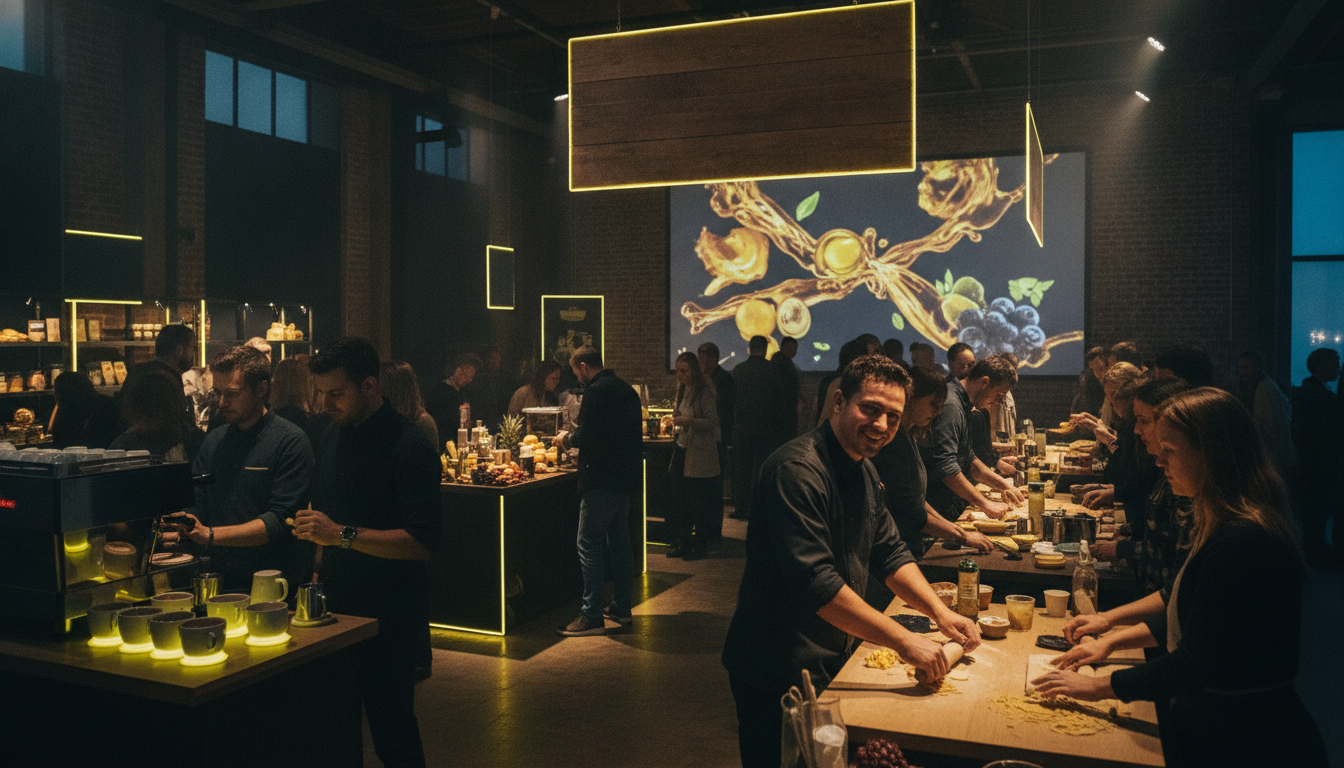
The food and grocery landscape is undergoing a seismic shift, with the smartest brands abandoning traditional product-focused marketing in favor of selling immersive, memorable experiences that leave a lasting impact on customers. As a marketer, I've had the privilege of working with numerous food and grocery brands, and I've witnessed firsthand the transformative power of experiential marketing. In this post, we'll delve into the reasons behind this shift and explore the strategies that are driving success in the industry.
Introduction to Experiential Marketing
Experiential marketing is an approach that focuses on creating memorable, interactive experiences that foster emotional connections between brands and their customers. According to a study by Event Marketing Institute, 72% of consumers say they're more likely to become repeat customers if they have a positive experience with a brand. This approach is particularly effective in the food and grocery industry, where sensory experiences play a significant role in shaping consumer preferences. Research shows that experiences that engage multiple senses, such as taste, smell, and touch, can increase brand recall by up to 30% (Source: Harvard Business Review).
The Rise of Experience-Driven Food and Grocery Brands
The most successful food and grocery brands are those that have managed to create immersive experiences that transport customers to new and exciting worlds. For example, brands like Trader Joe's and Whole Foods have created engaging in-store experiences that combine education, entertainment, and community-building. According to a report by Nielsen, 62% of millennials are willing to pay more for products and services that offer a unique experience. This trend is driven by the growing demand for authentic, Instagrammable moments that customers can share with their social networks.
Key Strategies for Creating Immersive Experiences
So, how can food and grocery brands create immersive experiences that drive engagement and loyalty? Here are a few strategies that have proven effective:
- Host in-store events and workshops that educate customers about new products, cooking techniques, and nutrition
- Partner with influencers and bloggers to create engaging content that showcases brand products in a lifestyle context
- Develop interactive digital experiences, such as virtual reality tours and social media challenges, that encourage customer participation
As the renowned marketing expert, Seth Godin, once said:"The goal of marketing is no longer to sell a product, but to create a connection, to build a relationship, to make a difference in the lives of the people you're trying to reach."
Measuring the Impact of Experiential Marketing
So, how can brands measure the effectiveness of their experiential marketing efforts? According to a study by Forrester, 71% of marketers say that measuring the ROI of experiential marketing is a major challenge. However, by using metrics such as engagement rates, social media sharing, and customer retention, brands can gain valuable insights into the impact of their experiences. For example, a study by experiential marketing agency, Momentum Worldwide, found that experiential marketing campaigns can drive a 25% increase in sales and a 30% increase in brand awareness.
Actionable Takeaways
The key takeaway from this post is that experiential marketing is no longer a nice-to-have, but a must-have for food and grocery brands. By creating immersive, memorable experiences, brands can drive engagement, loyalty, and ultimately, sales. To get started, brands should focus on developing a deep understanding of their target audience and creating experiences that resonate with their values, interests, and passions. With the right strategy and measurement approach, brands can unlock the full potential of experiential marketing and drive business success.
Aimee Lankford is the co-founder of The Mediatwist Group, a woman-co-owned marketing agency that helps brands dominate. Visit mediatwistgroup.com or follow @mediatwist.
Key Takeaway
Discover why experiential marketing is the key to success in the food and grocery industry. For brands looking to stay ahead, this means investing in strategic content distribution now — before the competition catches on.