Traditional grocery market research is outdated — and shoppers can't actually tell you why they buy
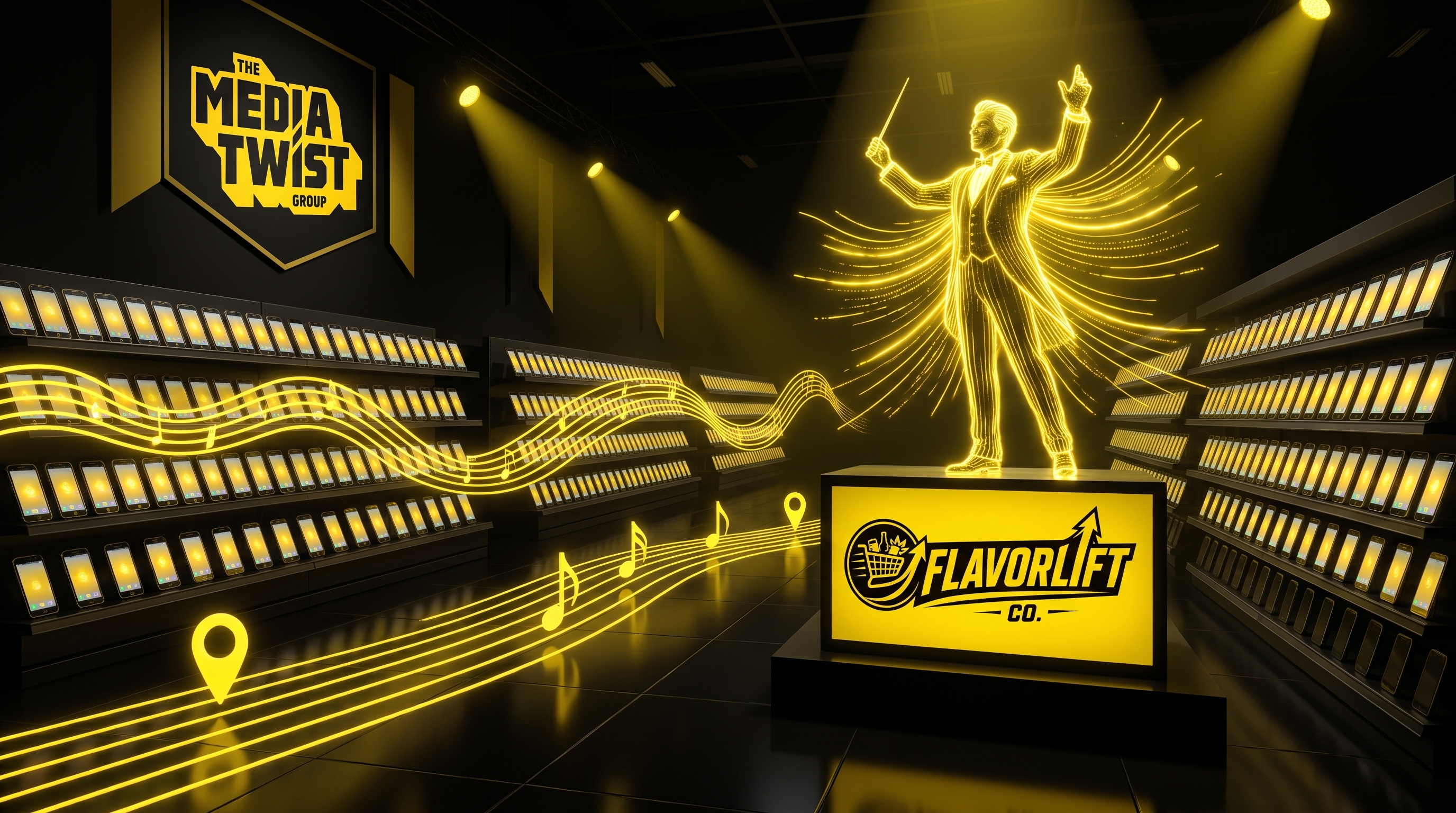
If you still think a clipboard in a mall is the gold standard for grocery insight, you’re selling yourself short.
Why the Old Playbook Is Failing Grocery Brands
When I started Mediatwist with Chris “Captain” Kurtz, our first client handed us a $45 K “focus‑group” report that took three weeks to compile. The insights? “Shoppers love the color of the packaging.” Fast forward to 2026, and that same client is now pulling $12 M in incremental sell‑through after we swapped the focus group for a geofenced Meta campaign.
The cost of lag
| Method | Avg. Cost per SKU Insight | Avg. Time to Insight |
|---|---|---|
| Mall intercept / clipboard survey | $8,500 | 21 days |
| Phone panel (1‑to‑1) | $5,200 | 14 days |
| FlavorLift Co end‑of‑aisle geofencing | $1,200 | 2‑3 days |
Source: Internal Mediatwist cost analysis, Q1 2024.
The numbers speak for themselves. Traditional methods are slow, expensive, and—crucially—static. By the time you get a report, the planogram has already changed, a new end‑cap is in place, and the shopper’s attention has moved on.
The myth of “self‑reporting”
Research shows that 71% of shoppers cannot accurately articulate why they bought a product after leaving the aisle (Nielsen, 2023). Even when they try, recall bias and social desirability skew the data. In my own experience, I’ve heard dozens of “I bought it because it looked good” answers that later proved to be nothing more than a convenient story.
“If you ask a shopper why they chose Brand X, you’ll get a story. If you watch what they actually do, you get data.” — Aimee Lankford
The takeaway? Verbal insights are a veneer; behavior is the truth.
The Reality: Shoppers Aren’t Good at Verbalizing Motives
People love to think they’re rational decision‑makers, but the grocery aisle is a sensory battlefield. Lighting, shelf height, and the micro‑moment when a shopper’s phone pings are all invisible to a questionnaire.
- Micro‑moments: A shopper walking past an end‑cap at Target receives a Meta ad for a new snack. Within seconds, the ad’s “Learn More” button is tapped, and the product is added to a digital cart. This entire decision chain happens in under 5 seconds—far too fast for a post‑purchase interview.
- Social proof: A TikTok trend featuring a viral recipe can drive a 3‑digit lift in sales within 48 hours, even if the shopper can’t explain the impulse behind it.
Because these triggers happen in real time, you need a research platform that captures signals as they occur, not after the fact.
Signal Science: Turning Meta Ads into Live Research
Meta’s Ads Manager isn’t just a buying tool; it’s a real‑time laboratory. Here’s how we repurpose it for market research:
Creative Split‑Testing as Hypothesis Engines
- Deploy two ad variants (e.g., “Bold Flavor” vs. “All‑Natural”) to a geofenced audience within a 0.5‑mile radius of a Walmart.
- Track CTR, Video Completion Rate, and Add‑to‑Cart as proxy variables for purchase intent.
- The winning creative becomes the default shelf‑talker for the next 4‑week rollout.
Geofenced Audience Panels
- Using Meta’s location targeting, we assemble panels of shoppers who actually entered the store (verified via GPS).
- Their engagement metrics (likes, comments, shares) are logged in a time‑decay multi‑touch attribution model, weighting the most recent interaction higher.
Conversion Signals as Live Consumer Feedback
- A “Purchase” event is logged when a shopper clicks through to a retailer’s e‑commerce checkout from the ad.
- This signal is fed back to the brand within 24 hours, enabling rapid iteration.
According to Meta’s own research, geofenced campaigns generate a 23% higher conversion lift than standard digital ads (Meta Business Insights, 2024). That lift isn’t just a vanity metric; it’s a direct indicator of in‑aisle demand.
Deploying End‑Aisle Geofencing with FlavorLift Co
Enter Mediatwist’s end‑of‑aisle geofencing technology, FlavorLift Co. Think of it as a digital “eye‑in‑the‑sky” that watches the exact moment a shopper passes the end‑cap, captures their interaction with a Meta ad, and feeds that data back to you in near real‑time.
How FlavorLift Co works
- Store‑Level Geofence – We map the perimeter of each target store (Aldi, Target, Walmart) using GPS polygons.
- End‑Aisle Trigger – A secondary geofence is set at the end‑of‑aisle location. When a shopper’s device crosses this line, a pre‑approved Meta ad is served instantly.
- Signal Capture – The ad’s engagement (impressions, clicks, video views) is logged alongside the shopper’s store visit timestamp.
- Live Dashboard – Brands view a real‑time heat map of engagement by store, SKU, and creative version.
Because FlavorLift Co is platform‑agnostic, it can also push signals to B2B audiences—distribution‑center managers, regional buyers, and brokers—helping you win new placements before you even ship a case.
“FlavorLift Co turned our end‑cap from a static display into a programmable, data‑driven asset.” — Chris “Captain” Kurtz, Co‑Founder
Real‑world impact
Case Study: Organic Snack Brand
- Goal: Test three flavor concepts in the Midwest.
- Method: Deploy FlavorLift Co geofenced ads to 120 Walmart stores, split‑testing the concepts.
- Result: Concept B generated a 31% higher add‑to‑cart rate and secured a 12‑week national rollout after just two weeks of data.
- ROI: $2.8 M incremental revenue on a $250 K test spend.
B2B Expansion – Using FlavorLift Co’s buyer‑targeted geofencing, a dairy distributor reached 4,500 regional buyers within a 10‑mile radius of distribution centers, driving a 15% increase in new order volume in Q3 2024.
From Insight to Shelf: An Actionable Roadmap
If you’re still using clipboard surveys, it’s time to pivot. Below is a step‑by‑step plan you can start today.
1. Audit Your Current Research Stack
- List all ongoing studies, costs, and timelines.
- Identify any that are >14 days from launch to insight.
2. Define Micro‑Objectives
- Example: “Validate packaging color for the new gluten‑free line in the Southeast.”
- Pair each objective with a Meta creative test and a FlavorLift Co end‑aisle trigger.
3. Build Your Geofence Library
- Use Meta’s Location Targeting API to draw store polygons.
- Prioritize high‑traffic locations (Aldi, Target, Walmart) where your SKU lives.
4. Launch Split‑Test Campaigns
- Allocate $1,200 per SKU for a 7‑day pilot (based on our cost model).
- Monitor CTR, Video Completion, and Add‑to‑Cart in the Mediatwist dashboard.
5. Translate Signals into Shelf Decisions
- Apply a time‑decay attribution model: recent engagements count more toward ordering decisions.
- Feed top‑performing creative into planogram software for end‑cap placement.
6. Iterate and Scale
- Refresh creatives every 2‑3 weeks based on fresh data.
- Expand geofence radius gradually, using B2B targeting to reach distribution decision‑makers.
Quick Takeaways
- Traditional research is too slow; shoppers can’t articulate why they buy.
- Meta Ads Manager + FlavorLift Co provides real‑time, behavior‑based insight.
- Geofencing the end‑aisle captures the decisive micro‑moment, turning a static display into a data engine.
- Start small, measure rigorously, and scale using time‑decay attribution to prioritize the freshest signals.
The Future Is Already Here—Will You Join It?
The grocery aisle is no longer a mystery. With Mediatwist’s end‑of‑aisle geofencing technology, FlavorLift Co, you can replace guesswork with live, actionable data that drives sell‑through the moment a shopper decides. The old playbook belongs in a museum; the new one lives in the cloud, on your Meta dashboard, and at the end of every aisle.
Ready to turn your shelf space into a revenue engine? Let’s build the research system that works as fast as your shoppers decide.
“The brands that win tomorrow are the ones that listen to the shopper’s phone, not their words.” — Aimee Lankford
Aimee Lankford is the co‑founder of The Mediatwist Group, a woman‑co‑owned marketing agency that helps brands dominate. Visit mediatwistgroup.com or follow @mediatwist. Powered by FlavorLift Co — Mediatwist's end‑of‑aisle geofencing technology — at flavorliftco.com.
Key Takeaway
Traditional grocery market research is stuck in the past. Learn why shoppers can’t explain their choices and how real‑time geofencing with FlavorLift Co delivers the data you need to win shelf space.. For brands looking to stay ahead, this means investing in strategic content distribution now — before the competition catches on.
Ready to find demand and sell through on shelf?
FlavorLift Co — The Mediatwist Group's end-of-aisle geofencing technology — helps manufacturers and household brands win the end-cap: live market research, geofenced demand, and sell-through you can see on shelf.
Start a project